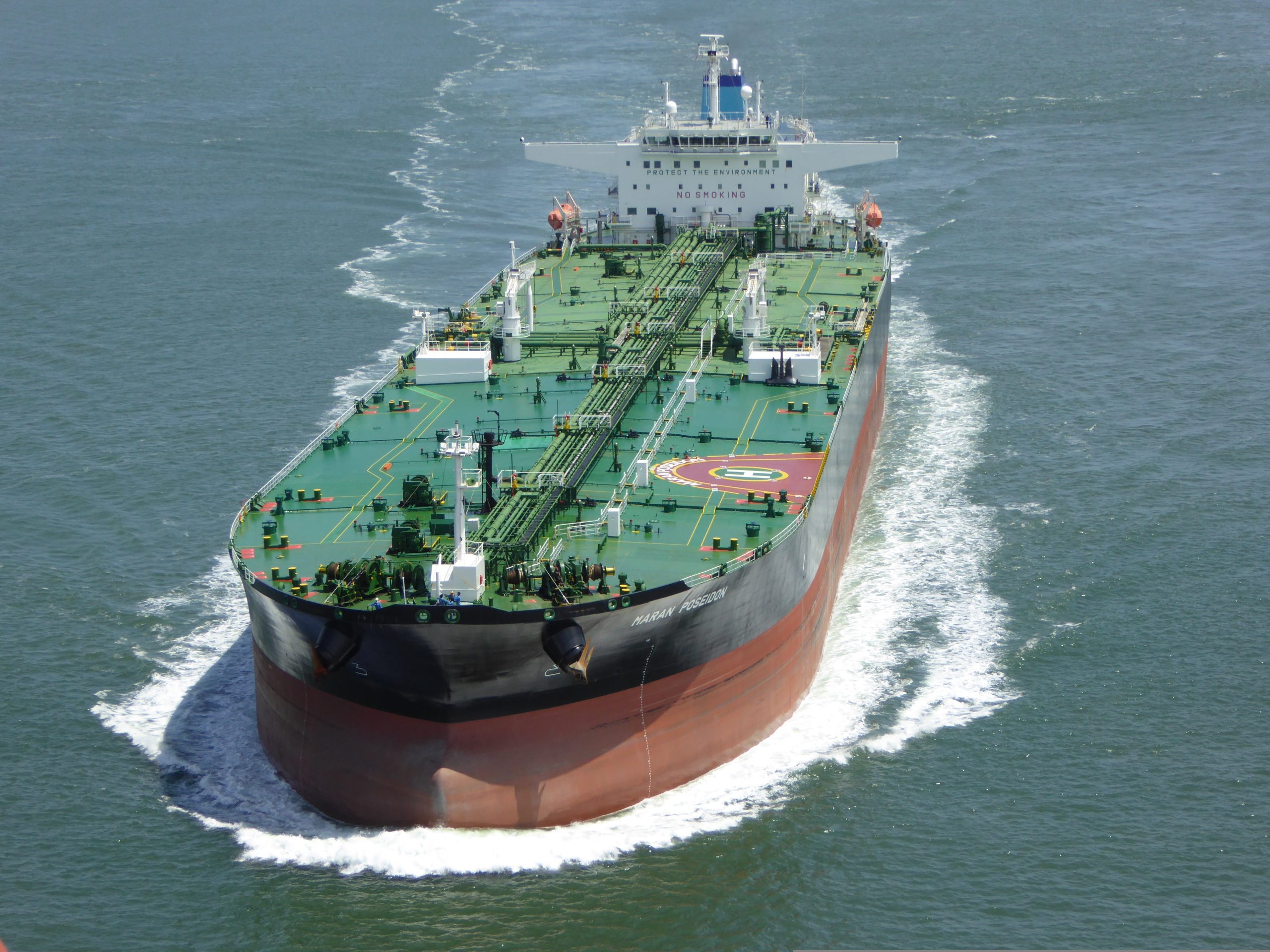
Oman and Iran are reportedly making progress toward a new arrangement that could lead to the reopening of the Strait of Hormuz, according to a report by Axios.
The development follows the arrival of an Omani delegation in Tehran on Friday for discussions focused on restoring the flow of maritime traffic through one of the world’s most strategically important energy chokepoints.
Citing two regional sources familiar with the negotiations, Axios reported that a potential agreement between Oman and Iran could be reached over the weekend. However, the report noted that US President Donald Trump would then have to decide whether to accept the proposed arrangement.
Trump Orders Halt to New Strikes Against Iran
The reported diplomatic progress comes after Trump instructed US forces not to carry out additional attacks against Iran, according to two sources cited by Axios.
The decision ended nearly two weeks of daily strikes and came as Oman’s delegation arrived in Tehran to hold talks aimed at reopening the Strait of Hormuz.
The waterway, located between Iran and Oman, is a critical route for global energy supplies, with a significant share of the world’s oil and liquefied natural gas shipments passing through it. Any disruption to traffic through the strait has the potential to trigger sharp movements in energy markets and increase concerns over global inflation.
Markets Watch Hormuz Developments
A reopening of the Strait of Hormuz would likely ease pressure on oil markets, which have been closely monitoring the risk of prolonged disruptions to energy flows.
Traders and investors are watching diplomatic developments closely, as any reduction in tensions could limit the geopolitical risk premium currently embedded in crude prices, while failure to reach an agreement could revive concerns over supply disruptions.
Oman has historically played a mediating role between Iran and Western powers, making it a key channel for diplomatic efforts aimed at reducing regional tensions.
Source: Axios