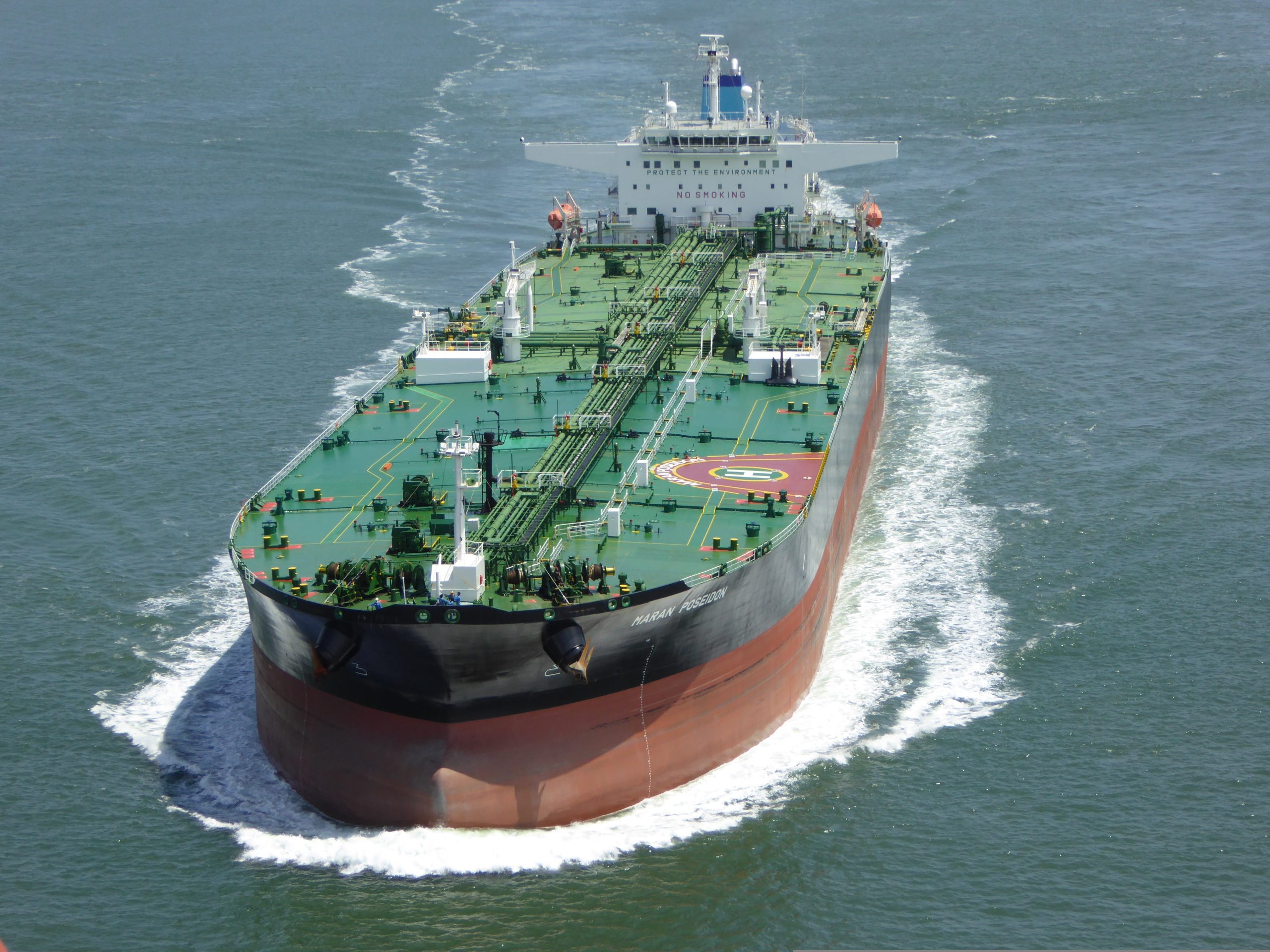
Shipping activity through the Strait of Hormuz has fallen to its lowest level in more than two months as escalating military exchanges between the United States and Iran continue to disrupt one of the world’s most important energy corridors.
The decline in tanker movements comes as U.S. forces carried out a 13th consecutive night of strikes against targets in Iran, while Tehran responded with missile and drone attacks aimed at military facilities in Jordan and Bahrain, highlighting the growing regional dimension of the conflict.
At the same time, reports indicate that U.S. President Donald Trump is weighing a significantly larger military operation against Iran, raising fears of further escalation and increasing uncertainty across global energy markets.
Tanker Traffic Falls Sharply
According to shipping data, the number of tankers transiting the Strait of Hormuz has dropped to its lowest level in more than two months, as shipowners, charterers, and insurers reassess the risks of operating in the Gulf.
The slowdown reflects growing concerns over vessel safety following repeated military incidents across the region. While the waterway remains open, many operators appear to be delaying departures or adjusting schedules until the security outlook becomes clearer.
The Strait of Hormuz normally handles around one-fifth of global oil consumption, making even temporary disruptions closely watched by energy markets.
Military Escalation Continues
The latest decline in maritime traffic coincides with another night of U.S. airstrikes targeting Iranian military infrastructure, marking nearly two weeks of sustained military operations.
Iran has responded by expanding its military actions beyond its own territory, reportedly launching attacks against U.S.-linked military positions in Jordan and Bahrain. The widening geographical scope of the conflict has heightened concerns that additional regional actors could become involved.
Meanwhile, reports that President Trump is considering a broader military offensive against Iran have added to investor uncertainty, with markets increasingly focused on the possibility of prolonged instability across the Middle East.

Energy Markets Remain on Edge
Oil traders continue to monitor developments closely, with geopolitical risk premiums remaining elevated despite the absence of major confirmed supply outages.
The combination of declining tanker traffic, rising insurance costs, and uncertainty surrounding future military operations has increased concerns about the reliability of crude exports from the Gulf.
If shipping activity continues to weaken or military operations intensify further, freight rates and transportation costs could rise, placing additional upward pressure on global oil prices.
Focus Shifts to Regional Security
The latest developments reinforce the central role of the Strait of Hormuz in global energy security. Although the waterway has not been formally closed, the sharp reduction in tanker movements illustrates how security risks alone can disrupt trade flows.
With military operations showing little sign of easing and diplomatic efforts remaining limited, energy markets are expected to remain highly sensitive to any further developments in the Gulf, where even isolated incidents can have significant implications for global oil supplies and shipping.