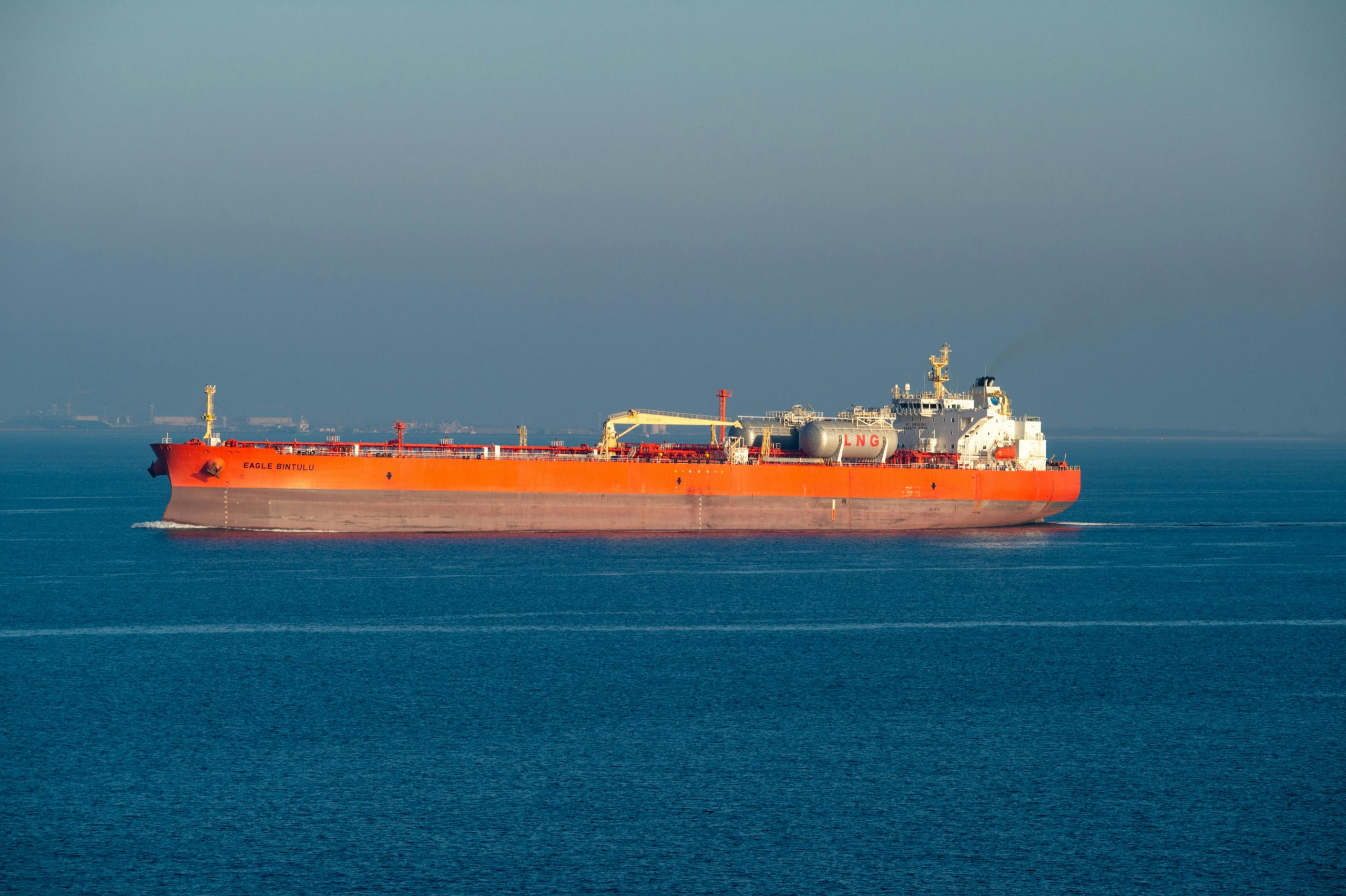
At first glance, the Strait of Hormuz may seem like just another shipping route on the map. But in reality, it is one of the most important arteries of the global economy.
Roughly a fifth of the world’s oil supply passes through this narrow waterway connecting the Persian Gulf to global markets. That means any disruption—whether political tension, military conflict, or even the threat of instability—can send shockwaves through financial markets across the world.
For the United States and Europe, the Strait of Hormuz is not just a distant geopolitical hotspot. It is a direct influence on energy prices, inflation, stock markets, and economic stability.
Why the Strait of Hormuz Matters So Much
The importance of the Strait lies in its role as a critical chokepoint.
Key facts:
- A significant share of global oil exports flows through it daily
- Major producers rely on it to reach international buyers
- There are limited alternative routes for transporting large volumes of oil
Because of this, even small disruptions can have outsized effects.
Markets react not only to actual supply interruptions but also to perceived risk. In energy markets, fear alone can drive prices higher.
Immediate Impact: Oil Prices Surge
The most direct effect of instability in the Strait of Hormuz is on oil prices.
When traders believe supply could be disrupted:
- Oil futures rise quickly
- Energy companies adjust pricing
- Speculation increases volatility
This happens because oil markets are highly sensitive to supply risks. A disruption in one region can affect prices globally, since oil is traded on an interconnected market.
For both the U.S. and Europe, higher oil prices translate into higher fuel costs and broader economic consequences.
Impact on the United States
The United States is one of the world’s largest oil producers, but it is still deeply connected to global energy markets.
1. Gasoline Prices Rise
Even though domestic production is strong, oil prices are set globally. When prices rise due to instability in the Strait, Americans feel it at the pump.
Higher gasoline prices:
- Reduce consumer spending
- Increase transportation costs
- Contribute to inflation
2. Stock Market Volatility
Energy shocks often lead to market uncertainty.
- Energy stocks may rise due to higher prices
- Airline and transportation stocks often fall
- Broader indices can become volatile
Investors tend to react quickly to geopolitical risks, leading to short-term market swings.
3. Inflation Pressure
Higher energy costs feed into nearly every part of the economy.
This creates:
- Rising prices for goods and services
- Pressure on central banks to maintain or increase interest rates
In this way, a distant geopolitical issue can directly influence U.S. monetary policy.
Impact on Europe
Europe is even more vulnerable to disruptions in the Strait of Hormuz than the United States.
1. Heavy Dependence on Energy Imports
Many European countries rely heavily on imported oil and gas.
This makes them more exposed to:
- Supply disruptions
- Price increases
- Energy shortages
2. Industrial Impact
Europe’s industrial sector depends on stable energy supplies.
When prices rise:
- Manufacturing costs increase
- Profit margins shrink
- Production may slow down
This can weaken economic growth across the region.
3. Energy Security Concerns
Geopolitical tensions in the Middle East highlight Europe’s ongoing challenge: energy security.
In response, European countries often:
- Diversify energy sources
- Increase investment in renewables
- Build strategic reserves
Financial Markets Reaction
Markets in both the U.S. and Europe respond quickly to developments in the Strait of Hormuz.
Typical reactions:
- Oil and energy stocks rise
- Safe-haven assets (like gold) increase
- Airline and logistics stocks decline
- Currency markets shift
These reactions are driven by uncertainty and risk perception rather than just actual supply changes.
The Ripple Effect on Global Trade
The impact of the Strait goes beyond energy.
Higher fuel costs affect:
- Shipping prices
- Airline operations
- Global supply chains
This leads to:
- Higher prices for imported goods
- Delays in delivery
- Reduced global trade efficiency
For economies like the U.S. and Europe, which rely heavily on global trade, these effects can be significant.
Strategic Responses From Governments
Both the U.S. and European governments have strategies to deal with potential disruptions.
United States:
- Strategic petroleum reserves
- Increased domestic production
- Military presence to secure shipping lanes
Europe:
- Energy diversification
- Renewable energy investments
- Regional cooperation on energy policy
These measures aim to reduce vulnerability—but they cannot eliminate it entirely.
Why Markets React Even Without Disruption
One of the most important aspects of the Strait of Hormuz is that markets react even without actual supply interruptions.
The mere possibility of conflict or disruption can:
- Drive speculative trading
- Increase oil prices
- Create market instability
This is because energy markets are forward-looking. Traders price in risk before it materializes.
The Long-Term Impact on Energy Strategy
Repeated tensions in the Strait have long-term consequences.
They push countries to:
- Reduce dependence on single routes
- Invest in alternative energy sources
- Strengthen energy security policies
This is one reason why renewable energy is gaining momentum—not just for environmental reasons, but for geopolitical stability.
A Global Lifeline With Local Consequences
The Strait of Hormuz may be geographically distant from the United States and Europe, but its impact is immediate and far-reaching.
From gasoline prices in American cities to industrial production in Europe, this narrow waterway plays a crucial role in shaping economic outcomes.
In a globalized economy, no region operates in isolation. And when it comes to energy, the Strait of Hormuz remains one of the most powerful forces influencing markets today.
FAQ Section
Q: Why is the Strait of Hormuz important to global markets?
A: It is a major route for global oil supply, and disruptions can significantly impact energy prices worldwide.
Q: How does it affect U.S. gas prices?
A: Global oil prices rise due to supply risks, which directly increases gasoline prices in the U.S.
Q: Why is Europe more affected than the U.S.?
A: Europe relies more heavily on imported energy, making it more vulnerable to supply disruptions.

