The Age of the Mega-Corporation
Walk into almost any industry today—technology, retail, finance, or media—and you’ll notice the same pattern: a handful of massive companies dominate the landscape.
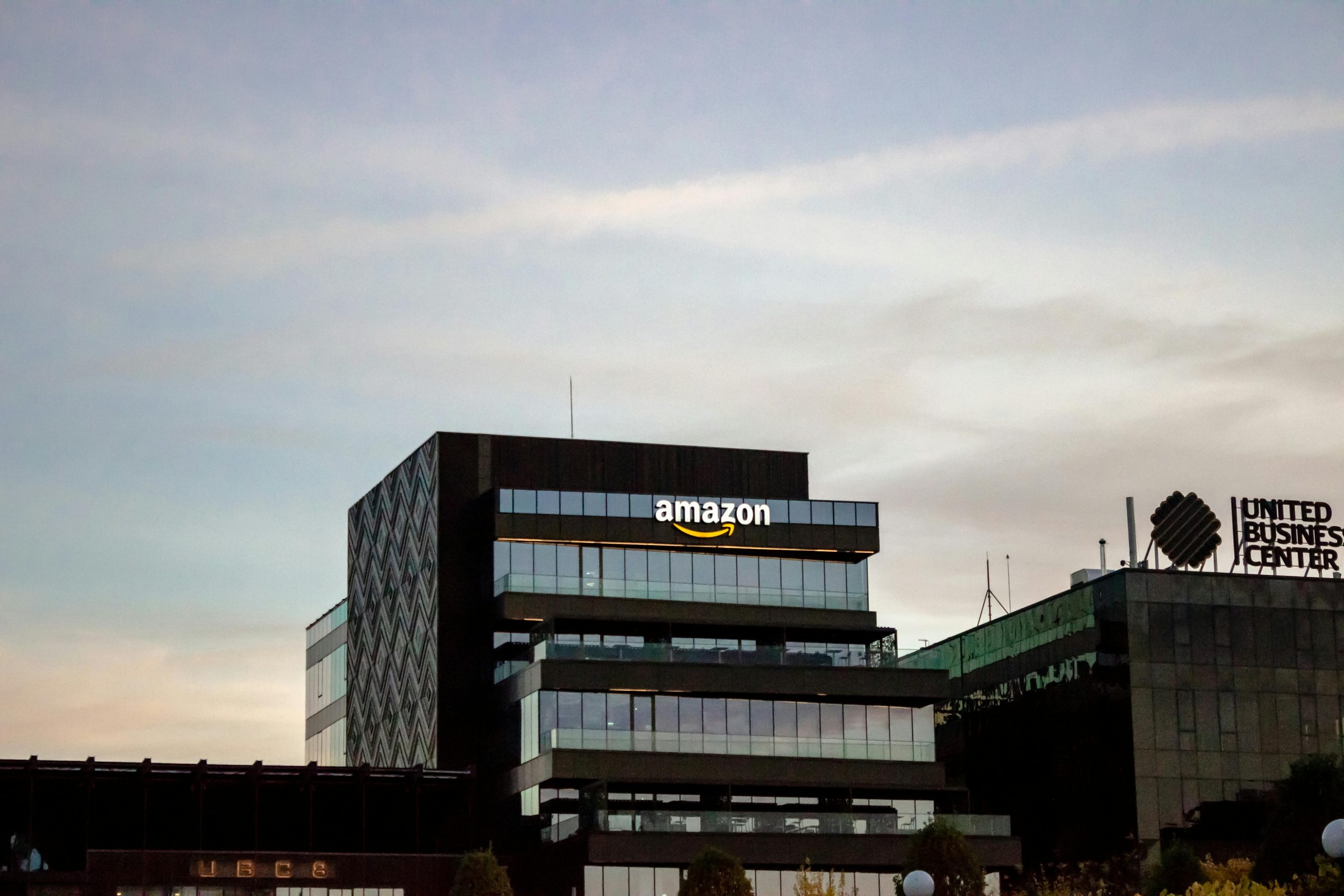
From Amazon reshaping retail to Apple controlling premium consumer tech, the trend is clear. Big companies are not just surviving—they’re expanding at an unprecedented pace.
But why is this happening now? And more importantly, what does it mean for smaller businesses, workers, and everyday consumers?
The Power of Scale: Why Size Matters More Than Ever
In today’s economy, size is no longer just an advantage—it’s a competitive weapon.
Large companies benefit from:
- Lower production costs
- Greater access to capital
- Stronger brand recognition
- Global distribution networks
This allows them to operate more efficiently than smaller competitors, often undercutting prices or investing heavily in innovation.
For example, companies like Microsoft can invest billions into new technologies like AI—something most smaller firms simply cannot afford.
Technology Is Accelerating the Gap
Technology, especially artificial intelligence, is amplifying the advantage of big companies.
Large corporations have access to:
- Massive datasets
- Advanced infrastructure
- Top engineering talent
This creates a feedback loop:
👉 More data → better AI → better products → more users → even more data
Companies like Google and Meta Platforms are prime examples of this cycle in action.
The Acquisition Strategy: Buying the Competition
Instead of competing with smaller companies, many large corporations simply buy them.
This strategy allows them to:
- Eliminate competition
- Acquire new technology
- Expand into new markets quickly
Startups are often built with the goal of being acquired, which reinforces the dominance of big players.
While this can drive innovation, it also raises concerns about reduced competition over time.
Global Reach: Expanding Beyond Borders
Today’s biggest companies are not limited by geography.
They operate globally, reaching customers in multiple markets simultaneously. This gives them:
- Access to larger customer bases
- Diversified revenue streams
- Increased resilience to local economic downturns
For smaller businesses, competing on a global scale is significantly more challenging.
The Impact on Small Businesses
The rise of mega-corporations has created both opportunities and challenges for smaller businesses.
Challenges:
- Difficulty competing on price
- Limited access to funding
- Reduced visibility in crowded markets
Opportunities:
- Niche markets
- Localized services
- Unique, personalized offerings
Some small businesses succeed by doing what large corporations cannot—offering authenticity, flexibility, and direct customer relationships.
Consumers: Winners or Losers?
For consumers, the dominance of large companies is a double-edged sword.
Benefits:
- Lower prices
- Faster services
- Greater convenience
Downsides:
- Less competition
- Fewer choices in some markets
- Increased dependence on a few platforms
While consumers enjoy convenience today, long-term market concentration could reduce competition and innovation.
The Role of Regulation
Governments are increasingly aware of the growing power of large corporations.
Regulators in the U.S. and Europe are examining:
- Antitrust laws
- Market dominance
- Data control
The challenge is finding a balance between:
- Encouraging innovation
- Preventing monopolistic behavior
Future policy decisions will play a key role in shaping the business landscape.
The Workforce Shift
Large companies are also reshaping the job market.
They offer:
- Competitive salaries
- Advanced tools and technologies
- Global career opportunities
However, they also:
- Automate jobs more aggressively
- Centralize power
- Influence labor markets
This creates both opportunity and uncertainty for workers.
The Future: Can Small Companies Compete?
The dominance of big companies may seem overwhelming, but it doesn’t mean smaller businesses are doomed.
Success in the modern economy often comes from:
- Innovation
- Agility
- Strong branding
- Deep customer connection
In many cases, smaller companies can move faster and adapt more quickly than large organizations.
A New Business Reality
The rise of mega-corporations is one of the defining trends of the modern economy. Driven by technology, scale, and global reach, large companies are becoming more powerful than ever.
For consumers, this brings convenience and efficiency. For small businesses, it presents both challenges and opportunities.
The question is not whether big companies will continue to grow—they will.
The real question is how the rest of the economy adapts.
FAQ Section
Q: Why are big companies getting bigger?
A: They benefit from scale, technology, global reach, and the ability to acquire smaller competitors.
Q: Is this bad for small businesses?
A: It creates challenges, but also opportunities for niche and specialized businesses.
Q: Will governments regulate big corporations?
A: Regulators are increasingly focusing on antitrust and market dominance issues.