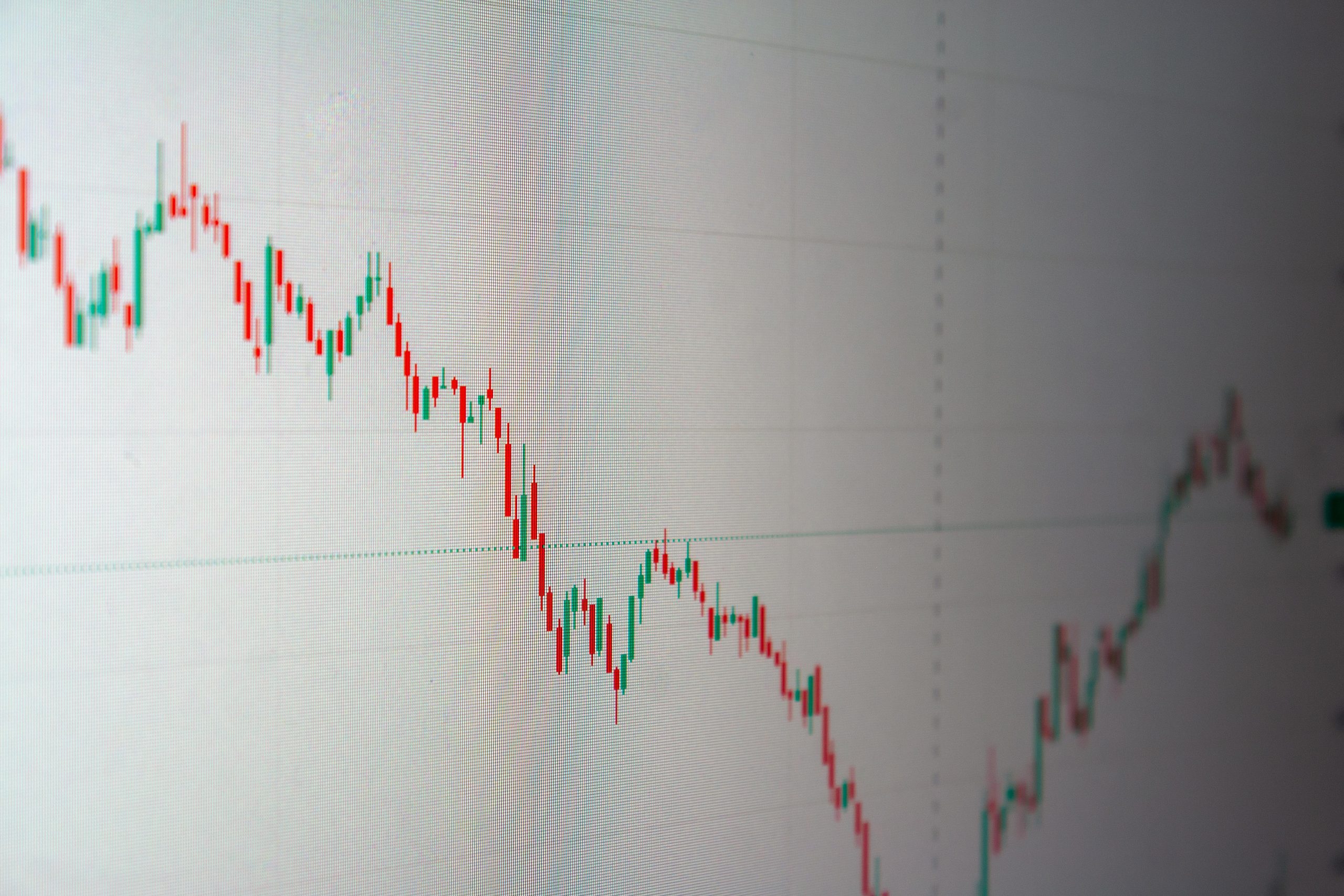
A Confusing Economic Moment
At first glance, the global economy in 2026 looks surprisingly strong.
Growth continues in major economies. Job markets remain relatively stable. Consumer spending hasn’t collapsed. On paper, this should be a period of confidence.
And yet, there’s a growing sense of unease.
Markets are volatile. Businesses are cautious. Households feel financial pressure. It raises an important question:
How can the economy appear strong—and fragile—at the same time?
The answer lies in a complex mix of structural shifts, policy decisions, and global uncertainty.
The Illusion of Strength
Economic data often tells only part of the story.
In the United States, for example:
- Employment levels remain solid
- Corporate earnings are holding up
- GDP growth has not sharply declined
These indicators suggest resilience. But they also mask deeper vulnerabilities.
Much of this strength is being supported by:
- Government spending
- Consumer borrowing
- Post-pandemic recovery momentum
Without these supports, the picture might look very different.
Inflation: The Pressure That Hasn’t Disappeared
Inflation may no longer be rising as rapidly as before, but it hasn’t truly gone away.
Prices remain elevated across key sectors:
- Housing
- Food
- Energy
For households, this creates a persistent squeeze. Even if wages rise, they often fail to keep pace with the cost of living.
This gap between income and expenses is one of the main reasons why many people feel economically insecure—even when official data appears positive.
Interest Rates and the Cost of Stability
Central banks have raised interest rates to control inflation. While this strategy has helped slow price increases, it has introduced new challenges.
Higher interest rates mean:
- More expensive mortgages
- Increased borrowing costs for businesses
- Reduced investment
This creates a delicate balance. Tightening too much can slow the economy significantly. Tightening too little risks allowing inflation to persist.
The Role of Energy and Global Risk
Energy remains one of the most influential—and unpredictable—factors in the global economy.
Events in key regions, including areas around the Strait of Hormuz, can quickly affect oil prices and market stability.
When energy prices rise:
- Inflation increases
- Production costs go up
- Consumer spending weakens
This makes the global economy highly sensitive to geopolitical developments.
Consumer Strength—or Financial Strain?
Consumer spending has been a key driver of economic stability. But the nature of that spending is changing.
Increasingly, households are relying on:
- Credit cards
- Savings built during previous years
- Short-term financial adjustments
This raises concerns about sustainability. If consumers begin to pull back, the broader economy could feel the impact quickly.
Business Confidence Is Cautious
Despite strong headline numbers, many businesses are acting carefully.
Companies are:
- Delaying expansion plans
- Reducing hiring growth
- Managing costs more aggressively
This cautious approach reflects uncertainty about future demand, policy changes, and global conditions.
In other words, businesses are preparing for the possibility that current economic strength may not last.
Market Signals: Volatility Beneath the Surface
Financial markets often react faster than the real economy.
Recent trends show:
- Increased volatility in stock markets
- Rapid reactions to economic data
- Sensitivity to central bank decisions
These patterns suggest that investors are uncertain about the future direction of the economy.
Markets are not just responding to what is happening—they are reacting to what might happen next.
Structural Changes Reshaping the Economy
Beyond short-term factors, deeper structural changes are underway.
Key shifts include:
- The rise of artificial intelligence
- Changes in global supply chains
- Shifting geopolitical alliances
- Transition to renewable energy
These changes are creating both opportunities and disruptions.
While they may support long-term growth, they also introduce short-term instability.
Why Fragility Matters
Economic fragility doesn’t mean collapse—it means vulnerability.
A fragile system can continue to function, but it is more sensitive to shocks.
Potential triggers could include:
- A sudden spike in energy prices
- Financial market instability
- Policy missteps
- Geopolitical conflict
Because the system is already under pressure, even a small disruption can have outsized effects.
A Delicate Balancing Act
Policymakers are now navigating one of the most complex economic environments in recent history.
They must balance:
- Controlling inflation
- Supporting growth
- Maintaining financial stability
This balancing act is difficult—and mistakes can have significant consequences.
What This Means Going Forward
The global economy is not on the brink of collapse—but it is also not as stable as it appears.
This dual reality means:
- Growth may continue, but at a slower pace
- Volatility is likely to remain
- Uncertainty will shape decision-making
For businesses, investors, and individuals, adaptability will be key.
Strength With Limits
The global economy in 2026 is defined by contradiction.
It is strong enough to grow—but fragile enough to be disrupted.
Resilient in the short term—but uncertain in the long term.
Understanding this balance is essential for navigating the months and years ahead.
Because in today’s world, economic stability is not guaranteed—it is constantly being tested.
FAQ Section
Q: Why does the economy feel strong but uncertain?
A: Strong data like jobs and growth is being offset by inflation, high interest rates, and global risks.
Q: What are the biggest risks to the global economy?
A: Energy prices, inflation, geopolitical tensions, and financial market instability.
Q: Is a recession coming?
A: Not necessarily, but the risk of slowdown remains due to underlying economic fragility.

