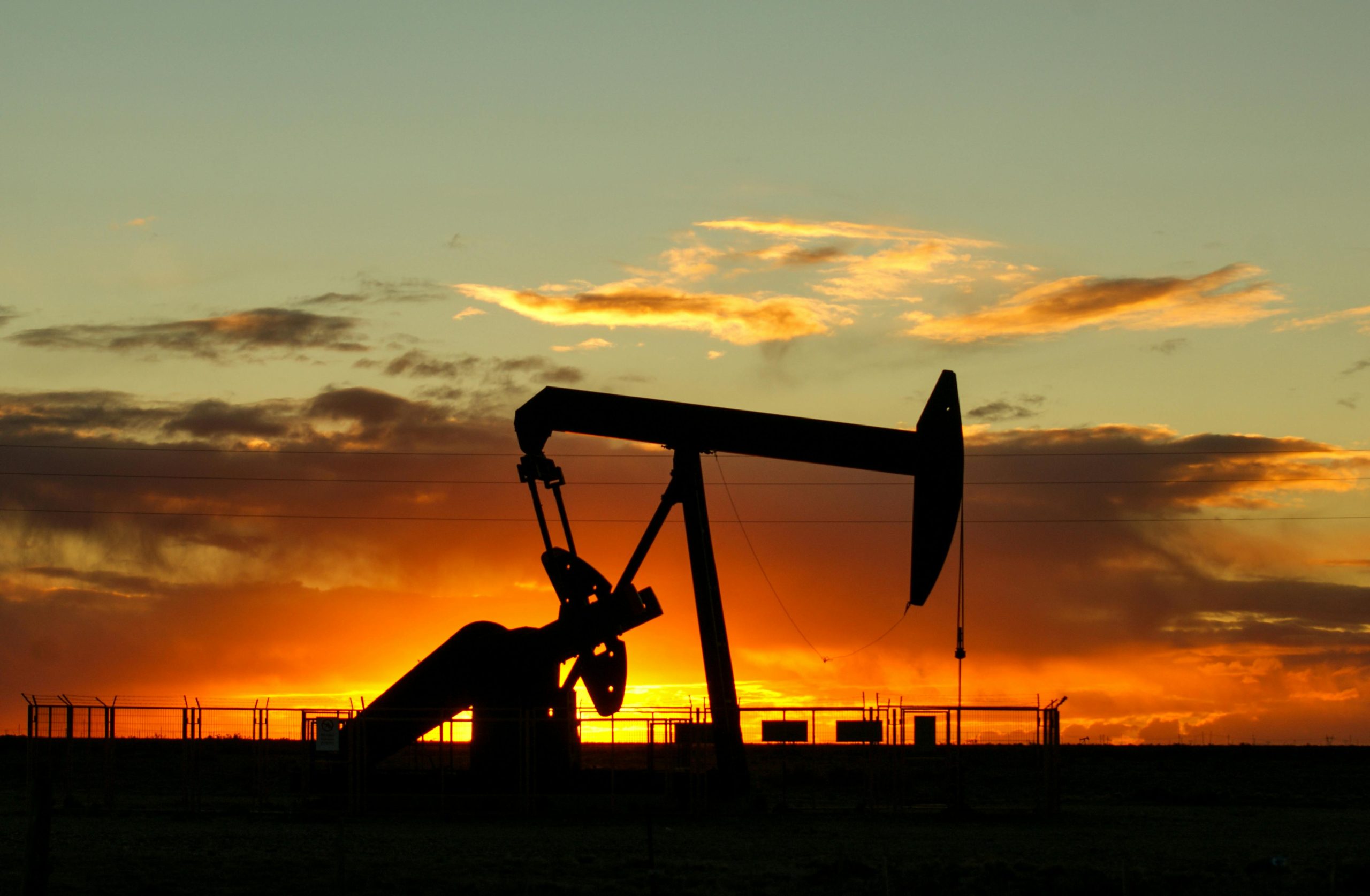
The Hidden Force Behind the Global Economy
In an age dominated by artificial intelligence, digital currencies, and rapid technological change, it’s easy to assume that traditional industries are losing their influence. But beneath the surface of modern innovation, one force continues to shape the global economy more than almost any other: energy.
From the price of gasoline in the United States to the cost of manufacturing goods in Asia, energy markets influence nearly every aspect of economic activity. Whether it’s oil, natural gas, or renewable energy, the availability and price of energy determine how economies grow, compete, and survive.
In 2026, energy is not just a commodity—it is a strategic asset, a political tool, and a driver of global power.
The Foundation of Modern Economies
Energy is the backbone of industrial civilization. Every sector—from transportation and manufacturing to agriculture and technology—depends on a reliable energy supply.
When energy prices rise, the effects are immediate:
- Transportation costs increase
- Goods become more expensive
- Businesses face higher operating costs
These increases eventually reach consumers, contributing to inflation and reducing purchasing power.
In the United States, for example, fluctuations in oil prices directly affect gasoline costs. This, in turn, influences consumer behavior, spending patterns, and overall economic growth.
Oil Still Dominates the Global Energy Landscape
Despite the rapid growth of renewable energy, oil remains the most important energy source in the world.
Why oil still matters:
- It fuels the majority of global transportation
- It is essential for manufacturing and petrochemicals
- It is traded globally, making it a key economic indicator
Oil prices are influenced by a complex mix of supply and demand, geopolitical events, and production decisions by major exporting countries.
Even small disruptions in supply can lead to significant price spikes, demonstrating how sensitive the global economy is to energy markets.
The Strategic Importance of Global Supply Routes
Energy is not just about production—it’s also about transportation.
Critical shipping routes play a major role in ensuring that oil and gas reach global markets. Any disruption in these routes can have immediate economic consequences.
One of the most important examples is the Strait of Hormuz, through which a significant portion of the world’s oil supply passes.
Why it matters:
- A large percentage of global oil exports move through this narrow passage
- Any geopolitical tension in the region can disrupt supply
- Even the threat of disruption can drive up prices
This highlights how energy markets are deeply connected to global politics and security.
Natural Gas: The Quiet Power Player
While oil often dominates headlines, natural gas has become increasingly important in the global energy mix.
Key advantages:
- Cleaner than coal and oil
- Widely used for electricity generation
- Essential for heating in many countries
In recent years, demand for natural gas has grown significantly, especially in Europe and Asia. This has led to increased competition for supply and greater price volatility.
Liquefied natural gas (LNG) has also transformed global trade, allowing gas to be transported across long distances by sea.
The Rise of Renewable Energy
Renewable energy sources—such as solar, wind, and hydropower—are expanding rapidly. Governments and companies around the world are investing heavily in clean energy as part of efforts to reduce carbon emissions.
Benefits of renewables:
- Lower environmental impact
- Increasing cost competitiveness
- Long-term sustainability
However, renewables also face challenges:
- Intermittency (solar and wind depend on weather)
- High initial infrastructure costs
- Need for energy storage solutions
While renewables are growing, they are not yet capable of fully replacing traditional energy sources.
Energy and Geopolitics: A Powerful Connection
Energy markets are deeply intertwined with global politics. Countries that produce large amounts of oil and gas often hold significant influence on the world stage.
Decisions made by major producers can impact global supply and prices almost instantly. This gives energy-exporting nations considerable economic and political power.
At the same time, energy-importing countries must navigate complex relationships to secure stable supplies.
This dynamic creates a constant interplay between economics and geopolitics, where energy becomes both a resource and a strategic tool.
The Role of the United States in Energy Markets
The United States has become one of the world’s leading energy producers, thanks in part to advances in shale technology.
Key developments:
- Increased domestic oil and gas production
- Reduced reliance on foreign energy imports
- Greater influence in global energy markets
At the same time, the U.S. is investing in renewable energy and transitioning toward a more diversified energy mix.
This dual approach—balancing traditional and renewable energy—reflects the complexity of modern energy policy.
Energy Prices and Inflation
Energy costs are a major driver of inflation. When oil and gas prices rise, they affect the cost of transportation, manufacturing, and everyday goods.
This creates a ripple effect throughout the economy:
- Higher production costs for businesses
- Increased prices for consumers
- Pressure on central banks to adjust interest rates
Understanding energy markets is therefore essential for understanding broader economic trends.
The Future of Energy Markets
Looking ahead, energy markets are expected to become even more complex.
Key trends to watch:
- Continued growth of renewable energy
- Advances in energy storage technology
- Shifts in global demand patterns
- Ongoing geopolitical tensions
The transition to cleaner energy will not happen overnight. Instead, the world is likely to experience a period of coexistence between traditional and renewable energy sources.
Energy Remains the World’s Most Powerful Economic Force
Despite rapid technological advancements and changing global priorities, energy remains at the heart of the global economy.
Oil, gas, and renewables each play a critical role in shaping economic growth, influencing political decisions, and determining the balance of global power.
For individuals, businesses, and governments alike, understanding energy markets is no longer optional—it is essential.
Because in 2026 and beyond, the world still runs on energy.
FAQ Section
Q: Why are energy markets important to the economy?
A: Energy markets affect production costs, transportation, and consumer prices, making them a key driver of economic activity.
Q: What controls global oil prices?
A: Supply and demand, geopolitical events, and production decisions by major oil-producing countries.
Q: Will renewable energy replace oil?
A: Not immediately. Renewable energy is growing, but oil and gas still play a major role in the global energy system.


One thought on “Why Energy Markets Still Control the Global Economy in 2026”
Comments are closed.