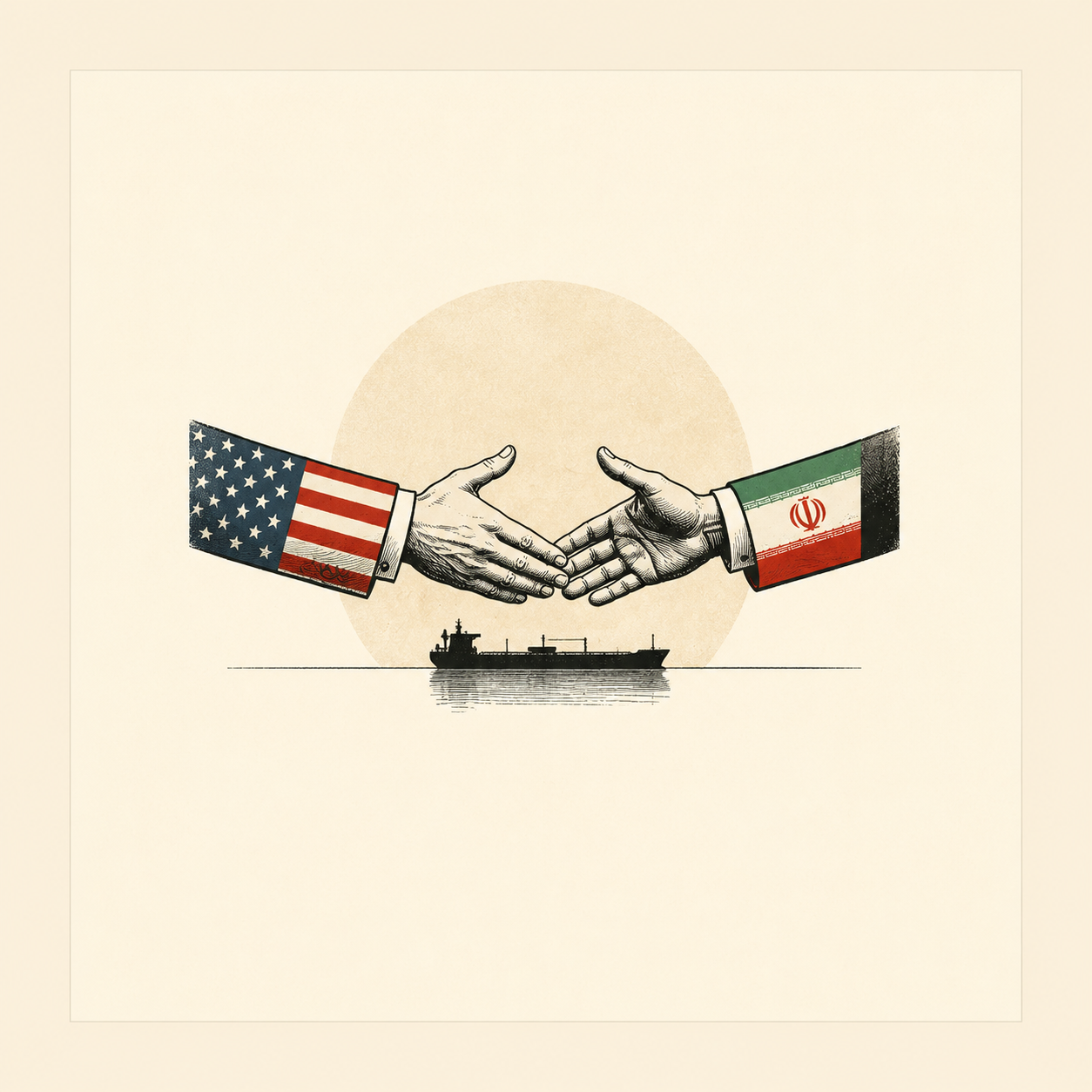
The United States and Iran Edge Toward a Tentative Deal
In a significant diplomatic development, the United States and Iran have reportedly reached a tentative memorandum of understanding (MoU) aimed at ending months of conflict and reopening one of the world’s most strategically important waterways, the Strait of Hormuz. While the agreement is not yet a fully ratified treaty, it signals a potential shift away from confrontation and toward cautious de-escalation in the Middle East.
A Fragile Diplomatic Breakthrough
According to reports from multiple international outlets, the draft agreement outlines an immediate cessation of hostilities and a framework for broader negotiations on nuclear, maritime, and regional security issues. The deal has reportedly been signed in principle by both sides, though implementation remains subject to further technical talks.
At the centre of the agreement is a mutual commitment to reduce military escalation in the Gulf region, including a halt to maritime blockades that have disrupted global energy and shipping routes.
The Strait of Hormuz: The Core Strategic Issue
Perhaps the most consequential element of the agreement is the proposed reopening of the Strait of Hormuz, a narrow but critical passage through which a substantial share of global oil supply flows.
Under the reported terms, shipping through the strait would resume under guaranteed safe passage arrangements, with restrictions on military interference. In return, Iran would receive phased economic relief, including access to certain frozen assets and limited sanctions easing.
However, the arrangement appears temporary and conditional, leaving the long-term governance of the strait unresolved.
Sanctions Relief and Economic Calculations
A central feature of the draft deal is a carefully staged sanctions relief mechanism. Rather than a full lifting of restrictions, the United States would reportedly tie economic concessions to Iranian compliance with nuclear and maritime obligations.
Some reports suggest that parts of Iran’s frozen funds could be released early in the process, a move that has drawn scrutiny among policymakers wary of front-loaded concessions.
Economically, the agreement reflects a familiar pattern in US–Iran diplomacy: incremental relief in exchange for incremental compliance, rather than a comprehensive settlement.
The Nuclear Question Remains Unresolved
Despite progress on maritime security, the most sensitive issue—Iran’s nuclear programme—remains unsettled. The MoU reportedly allows Iran to retain certain levels of enrichment under international supervision, while committing to expanded monitoring by the International Atomic Energy Agency (IAEA).
This leaves open a familiar tension: whether verification mechanisms will be strong enough to satisfy Western demands, and flexible enough to be politically acceptable in Tehran.
Regional Reactions and Strategic Uncertainty
Reactions to the reported agreement have been mixed. Early responses from regional actors suggest cautious optimism, particularly regarding the potential stabilisation of energy markets. Oil prices have already shown signs of easing on expectations of reduced risk in the Gulf shipping lanes.
However, scepticism remains widespread. Critics argue that the deal’s ambiguity—particularly around enforcement and regional security guarantees—could leave it vulnerable to collapse or reinterpretation by either side.
A Pause in Conflict, Not an End
While headlines may frame the agreement as a breakthrough, it is more accurately described as a structured pause in hostilities rather than a final settlement. Both Washington and Tehran appear to be testing whether limited cooperation can hold under conditions of deep mistrust.
The next phase will depend on technical negotiations covering nuclear compliance, maritime enforcement, and the sequencing of sanctions relief. These are precisely the areas where previous agreements have faltered.

