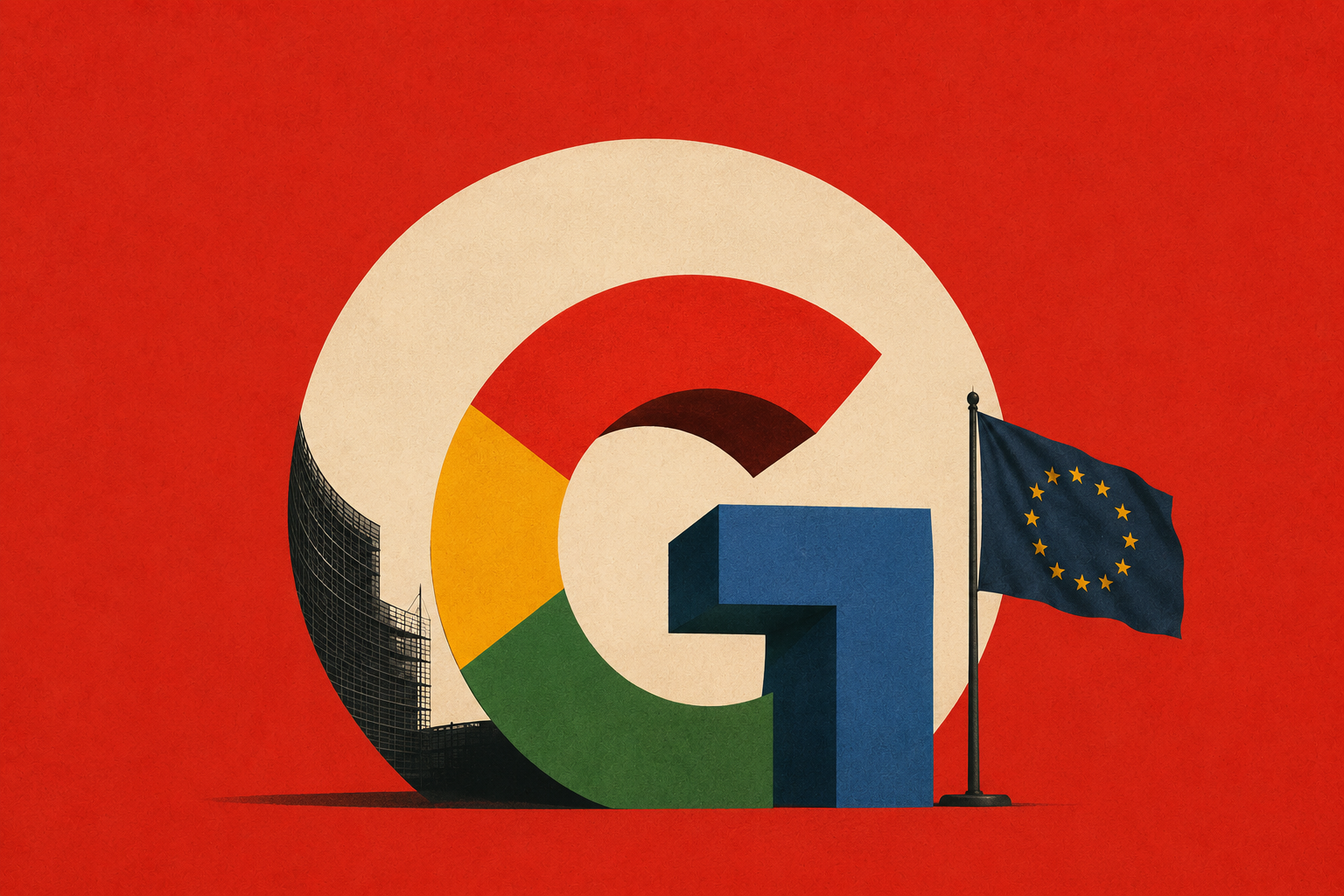
The European Union has imposed a total fine of €890 million ($1 billion) on Alphabet’s Google for breaching the bloc’s Digital Markets Act (DMA), intensifying regulatory pressure on Big Tech and potentially reigniting trade tensions with U.S. President Donald Trump.
The European Commission announced on Thursday that Google gave its own search services an unfair advantage over competitors and restricted app developers from directing users to alternative offers outside the Google Play Store.
The penalties include €460 million for violations related to Google’s search business and €430 million for anti-competitive practices linked to the Google Play Store.
EU Steps Up Enforcement of Digital Markets Act
The ruling marks one of the most significant enforcement actions under the Digital Markets Act, the EU’s landmark legislation aimed at curbing the market power of dominant technology platforms.
Teresa Ribera, the European Commission’s Executive Vice-President for Clean, Just and Competitive Transition and head of competition policy, said Google had failed to comply effectively with the DMA’s requirements.
“The best products should succeed because they are the best, not because they are owned by the company running the search engine,” Ribera said.
The Commission has given Google 60 days to bring its practices into compliance or face additional periodic financial penalties.
Google Pushes Back
Google criticized the Commission’s decision, arguing that the DMA is harming products relied upon by millions of European users.
Kent Walker, Google’s President of Global Affairs, said the company had already made substantial changes to comply with the law.
According to Walker, those changes included removing features such as instant price comparisons and direct booking options for hotels, flights, and restaurants from search results in Europe, while also weakening certain security protections within the Google Play Store.
Trade Tensions Could Resurface
The decision could add a new source of friction between Brussels and Washington, particularly after President Donald Trump previously criticized European regulatory actions targeting major U.S. technology companies.
The latest enforcement action underscores the EU’s determination to apply the Digital Markets Act aggressively, despite concerns from U.S. officials and American technology firms that the rules disproportionately affect Silicon Valley companies.
As scrutiny of Big Tech continues to intensify, the case is expected to shape future enforcement of the DMA and influence the global debate over digital competition and platform regulation.

