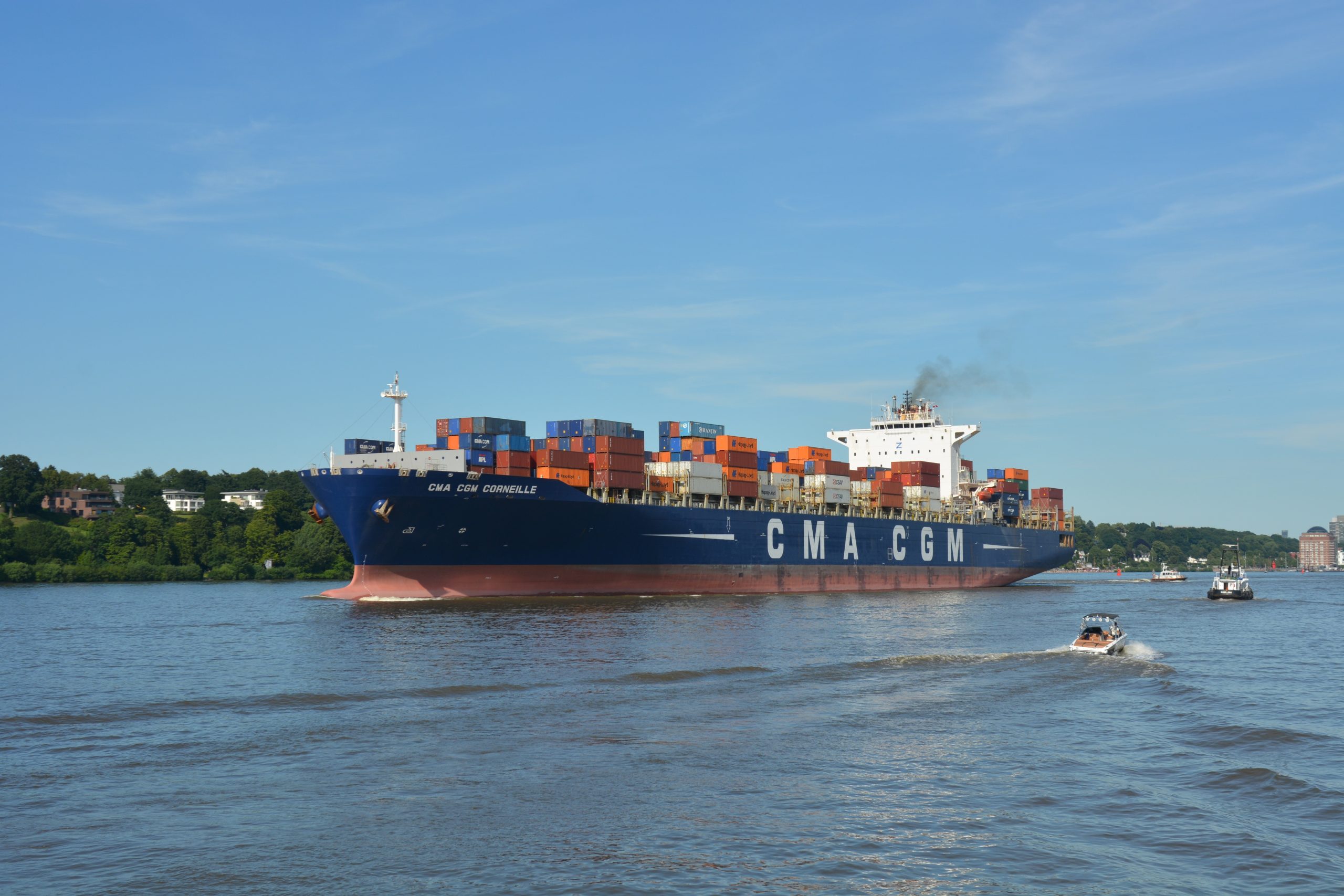
PARIS — Global shipping company CMA CGM has announced the introduction of emergency fuel surcharges effective 1 August, citing a sharp increase in fuel costs linked to the escalation of hostilities in the Strait of Hormuz.
The French shipping group said recent developments in the strategically important waterway have triggered another surge in bunker fuel prices, reversing the decline recorded in previous weeks and increasing operating costs across multiple trade routes.
According to the company, the additional fuel surcharge will range from $65 to $165 per container, depending on the shipping route and service. The measure will remain in effect until further notice as market conditions continue to evolve.
Shipping Industry Faces Renewed Cost Pressures
The Strait of Hormuz is one of the world’s most critical maritime chokepoints, handling roughly one-fifth of global oil and liquefied natural gas (LNG) exports. Any disruption to energy flows through the region has an immediate impact on fuel prices, marine insurance premiums, and global shipping costs.
For container carriers, higher bunker fuel prices directly affect voyage expenses, prompting companies to introduce temporary surcharges to offset increased operating costs.
CMA CGM’s decision highlights the growing financial impact of geopolitical instability on global supply chains, particularly for trade routes linking Asia, Europe, and the Middle East.
Wider Implications for Global Trade
The new surcharge is expected to increase transportation costs for exporters and importers, potentially adding further inflationary pressure to international supply chains if tensions persist.
Shipping analysts note that prolonged instability in the Strait of Hormuz could lead to additional fuel surcharges across the container shipping industry, higher freight rates, and increased logistics costs for businesses worldwide.
While the current surcharge is described as temporary, its duration will depend on fuel market developments and the security situation in the Gulf region.

