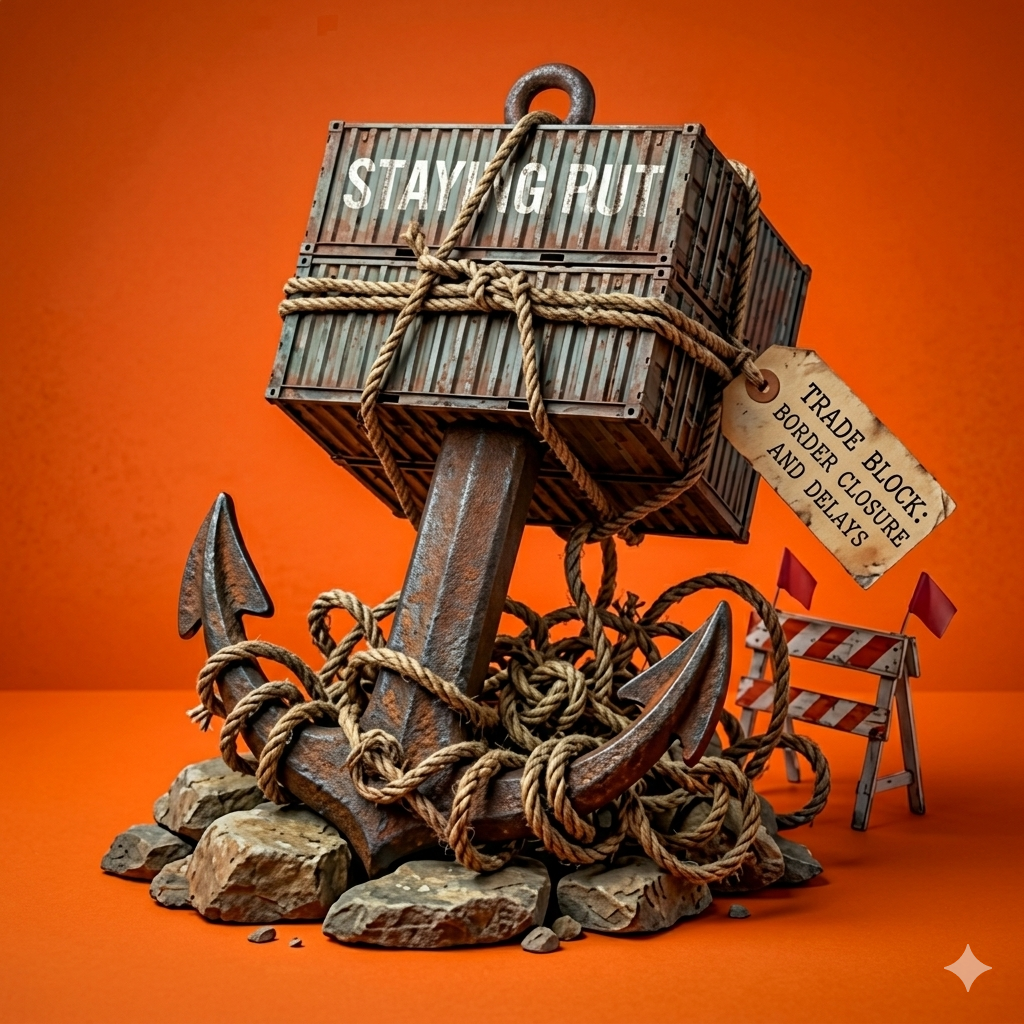
Driving on the Hard Shoulder: Why the Strait of Hormuz is Still a Maritime Minefield
The headlines might be celebrating a newly signed US-Iran memorandum of understanding, but if you think global energy shipping is about to snap back to normal, the international tanker industry has a major reality check for you.
Despite the political breakthroughs, the center of the Strait of Hormuz will remain closed for “some time.”
According to Intertanko, the trade body representing independent tanker owners, the strategic waterway is far from safe. The issue isn’t a lack of political will anymore; it’s the lethal legacy of the conflict floating just beneath the surface.
80 Reasons Normal Shipping is Grounded
While a handful of vessels have begun trickling out of the Gulf, maritime authorities warn that the main highway is effectively blocked.
“The main route… through the middle of the Strait of Hormuz, that’s closed, that’s dangerous. The latest figure we had was that there’s 80 mines in the Strait of Hormuz. It’s an enormous amount and it’s going to take some time to clear.”
— Phil Belcher, Marine Director at Intertanko
During the height of the standoff, Tehran heavily mined the central Traffic Separation Scheme—the designated maritime highway established in 1968 to orchestrate safe passage between Iran and Oman. Clearing 80 naval mines from one of the world’s tightest nautical choke points is a painstaking, high-stakes operation that experts predict will stretch on for months.
The Omani Route: Hugging the Rocks
With the center lane out of commission, ship captains are being forced into a logistical nightmare. Intertanko describes the current situation as the maritime equivalent of forcing an entire highway’s worth of traffic onto the hard shoulder.
To bypass the minefields, ships are squeezing through a narrow southern passage hugging the coast of Oman. But this detour introduces severe, alternative risks:
- Grounding Hazards: The Omani route forces massive, deep-draft supertankers dangerously close to shallow coastal waters and jagged rock formations. One wrong turn means running aground.
- Extreme Congestion: Before the crisis, roughly 130 ships crossed the strait daily. Right now, nearly 600 vessels are bottlenecked inside the Gulf after being anchored since February. Forcing that volume into a narrow coastal lane drastically spikes the risk of collisions.
- Sailing Blind: The threat is amplified by ongoing electronic warfare. Widespread GPS and signal jamming carried out during the conflict has disrupted vital positioning and navigation systems, meaning these massive crews are navigating tight, rocky corridors with compromised data.
The industry is highly sensitive to these bottlenecks. Memories of 2021—when the Ever Given wedged itself into the Suez Canal and crippled global supply chains for a week—remain incredibly fresh. A single grounding or collision in the Omani corridor could freeze what little trade is currently moving.
The Ripple Effect on Supply Chains
The Strait of Hormuz handles roughly 20% of the world’s petroleum liquified gas and crude oil, making it the absolute heart of global energy transit.
While the US-Iran deal outlines a 60-day window of toll-free transit, the physical reality on the water means businesses and consumers shouldn’t expect immediate relief. Maritime data providers, including Lloyd’s List, have explicitly warned that we are in uncharted territory and shipping will likely not return to normal this year.
For retailers, energy providers, and manufacturing supply chains already hyper-sensitive to fluctuating fuel prices, the message is clear: the diplomatic ink may be dry, but the physical cleanup has barely begun.

